Understanding the Benefits of Leasing vs. Buying Equipment
Introduction to Equipment Leasing and Buying
For businesses looking to expand or upgrade their operations, acquiring new equipment is often a crucial step. However, deciding whether to lease or buy this equipment can be challenging. Each option comes with its own set of benefits and drawbacks. Understanding these can help you make an informed decision that aligns with your business goals.
Leasing and buying both have financial implications, and choosing the right path depends on various factors including cash flow, tax considerations, and long-term business plans. Here, we'll explore the primary advantages of each to help you determine which option might be best for your business.
The Benefits of Leasing Equipment
Cost Efficiency
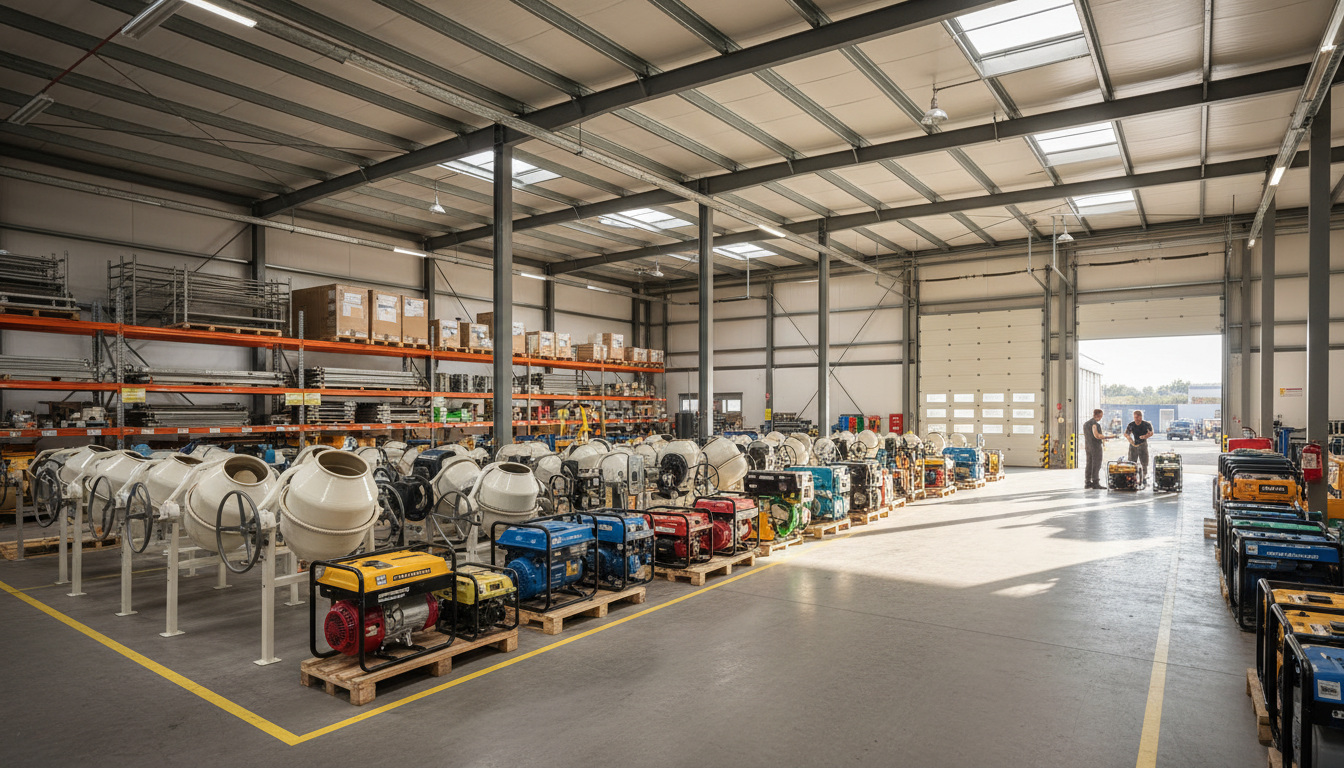
Leasing often requires lower upfront costs compared to purchasing. This can be a significant advantage for businesses with limited cash flow. Leasing allows you to access the latest equipment without the burden of large initial expenditures. Additionally, lease payments are typically fixed, aiding in predictable budgeting.
Flexibility and Upgrades
Leasing provides flexibility when it comes to upgrading. Technology and equipment are continually evolving, and leasing allows you to stay current without the hassle of selling outdated machinery. At the end of a lease term, you can easily upgrade to newer models, ensuring your business remains competitive.
The Benefits of Buying Equipment
Ownership and Control
Purchasing equipment grants you full ownership, offering complete control over its use. You can customize and modify the equipment as needed to suit your specific business requirements. Ownership also means no ongoing lease payments, which can be beneficial for long-term financial planning.
Long-term Cost Savings
While buying equipment requires a larger initial investment, it can lead to cost savings over time. Once the purchase is complete, the equipment is yours without any future financial obligations. This can be particularly advantageous for businesses that plan to use the equipment for many years.

Financial Considerations
When deciding between leasing and buying, it's essential to consider your business's financial health. Leasing typically impacts your balance sheet differently than buying, as leased equipment is not usually considered a capital asset. This can affect your financial ratios and borrowing capacity.
Additionally, both leasing and buying have tax implications. Lease payments are often fully deductible as a business expense, whereas purchased equipment may be eligible for depreciation deductions. Consulting with a financial advisor can help you understand these nuances.
Conclusion
Choosing between leasing and buying equipment requires careful consideration of your business goals, financial situation, and operational needs. Leasing offers flexibility and lower upfront costs, while buying provides ownership and potential long-term savings. Evaluate these benefits in the context of your business to make the most informed decision.
By understanding the advantages of each option, you can better position your business for growth and success, ensuring that your equipment investments align with your strategic objectives.