The Ultimate Comparison: Leasing vs. Buying Equipment in Australia
Introduction to Equipment Leasing and Buying
When it comes to acquiring equipment for your business in Australia, the decision between leasing and buying can significantly impact your financial health and operational efficiency. Understanding the pros and cons of each option will help you make an informed choice that aligns with your business goals.
Understanding Equipment Leasing
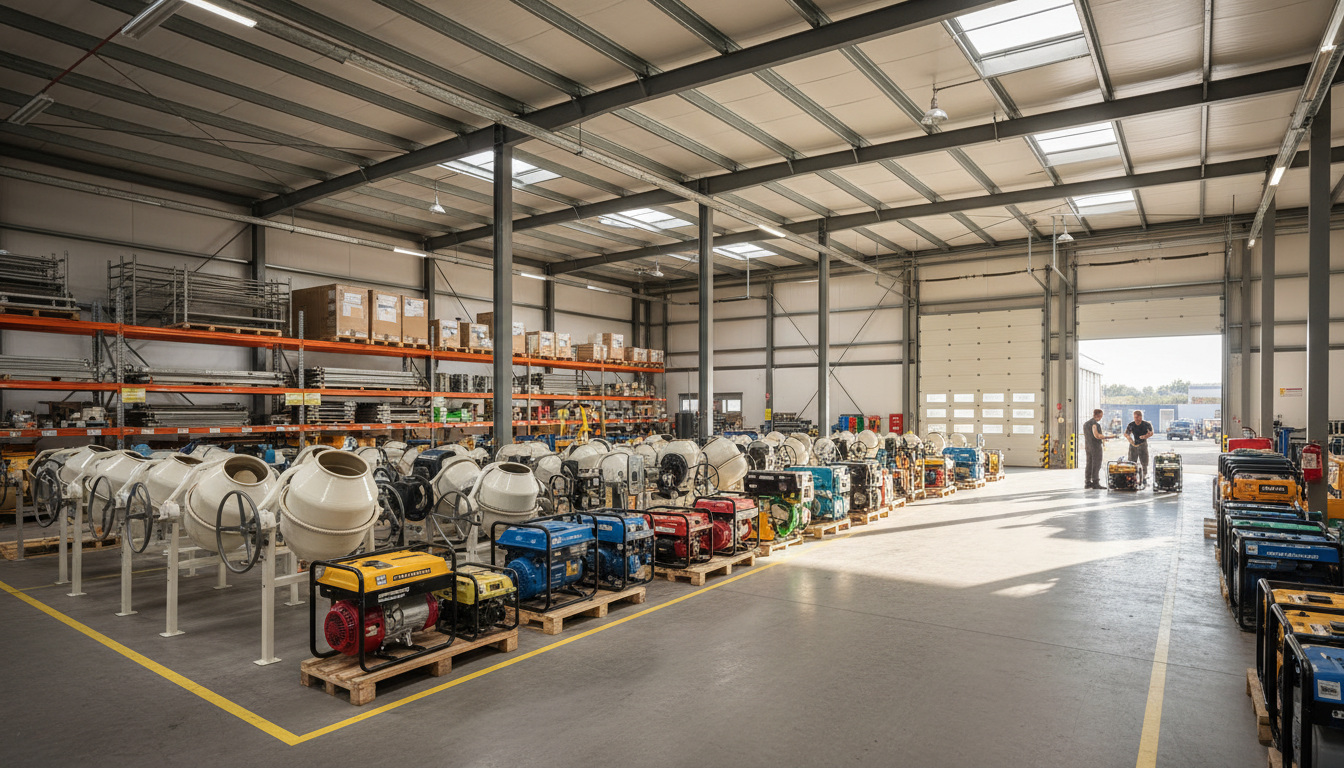
Leasing equipment involves renting it over a specified period. This option allows businesses to use the latest technology without the high upfront costs. Leasing is particularly beneficial for industries where technology rapidly evolves, ensuring you always have access to cutting-edge tools.
Advantages of Leasing
Some notable benefits of leasing include:
- Lower Initial Costs: Leasing requires less upfront capital compared to buying.
- Flexibility: At the end of a lease term, you can upgrade to newer equipment.
- Tax Benefits: Lease payments are often tax-deductible.
Disadvantages of Leasing
However, leasing does come with some drawbacks:
- Total Cost: Over time, leasing may be more expensive than buying outright.
- Ownership: You do not own the equipment, limiting certain uses.
The Option of Buying Equipment
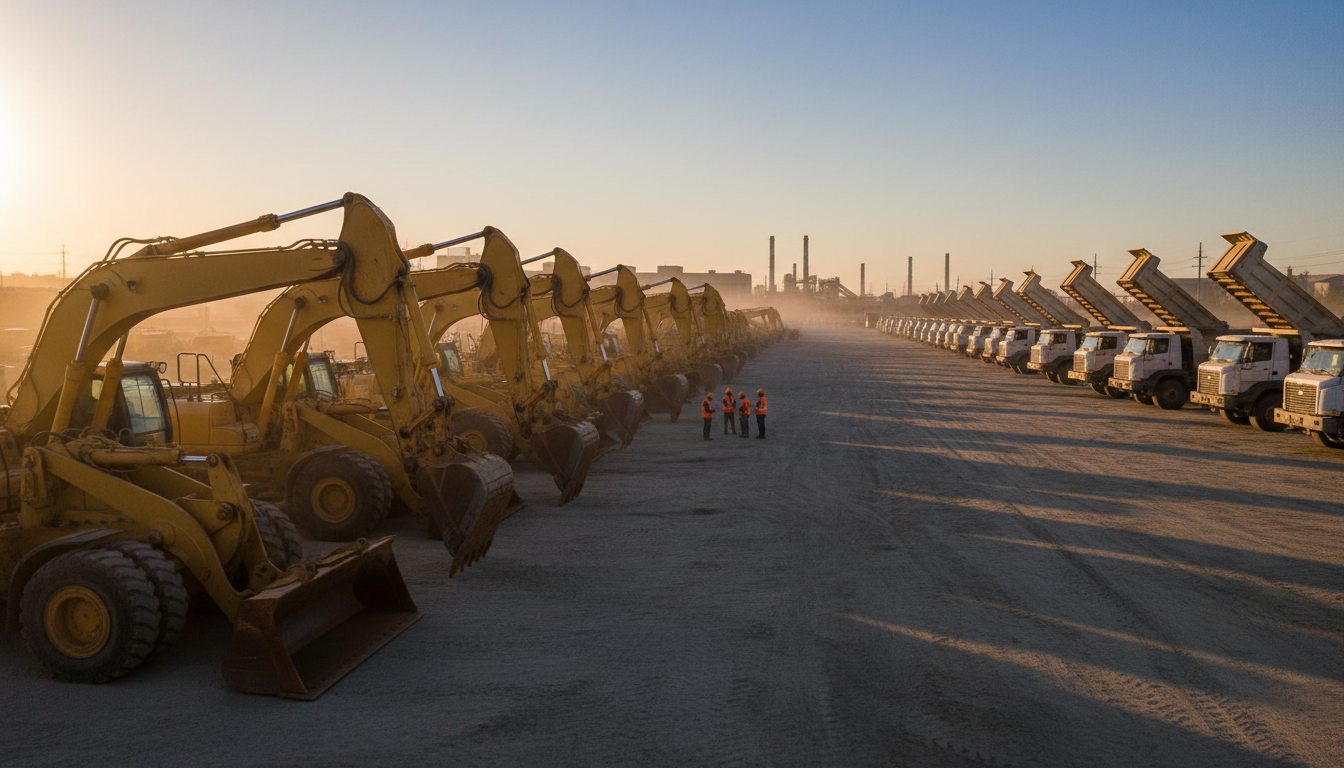
Purchasing equipment means you own it outright, which can be an attractive option for businesses with stable and predictable equipment needs. Ownership allows for greater control and the ability to customize equipment to suit specific requirements.
Advantages of Buying
Buying equipment offers several benefits:
- Ownership: Once purchased, the equipment is yours, potentially reducing long-term costs.
- Depreciation Benefits: You can claim depreciation on your taxes, providing a financial advantage.
Disadvantages of Buying
Consider the following downsides to buying:
- Higher Initial Cost: Buying requires significant upfront capital.
- Obsolescence Risk: Technology can become outdated, impacting efficiency.
Making the Right Decision for Your Business
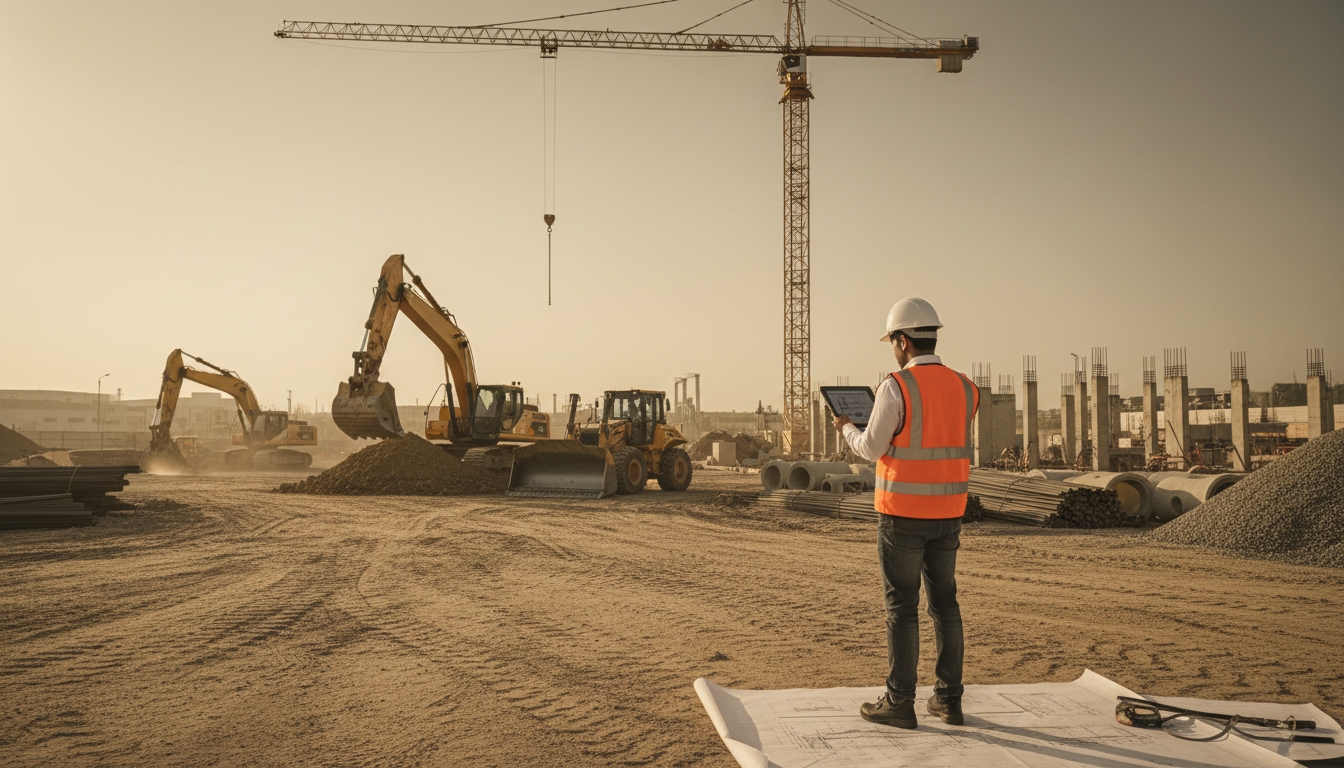
Deciding between leasing and buying depends on various factors, including your business's financial situation, industry, and growth projections. Here are a few considerations to help you decide:
- Financial Health: Evaluate your cash flow and available capital.
- Equipment Lifespan: Consider how long the equipment will remain viable.
- Technology Needs: Assess how quickly technology changes in your industry.
Conclusion
Ultimately, both leasing and buying have their own merits and challenges. By weighing the benefits and drawbacks of each option, Australian businesses can align their equipment acquisition strategy with their broader operational and financial objectives. Carefully assessing your needs and consulting with financial advisors can lead to a decision that supports sustainable growth.