Equipment Finance vs. Leasing: Which is Right for Your Business?
Choosing between equipment finance and leasing can be a pivotal decision for any business. Whether you're a startup looking to acquire essential tools or an established company aiming to upgrade your machinery, understanding the nuances of these options is crucial. This guide will help you determine which option best aligns with your business needs.
Understanding Equipment Finance
Equipment finance involves taking out a loan to purchase equipment outright. This method offers ownership of the equipment, allowing businesses to build equity as they pay off the loan. Typically, equipment finance requires a down payment, which can be a significant upfront cost. However, ownership means you can customize the equipment as needed and potentially benefit from tax deductions on the interest paid.

One of the primary benefits of equipment finance is the potential for long-term cost savings. Once the loan is paid off, the equipment becomes an asset on your balance sheet, which can enhance your business's financial standing. Additionally, there's no restriction on usage since you're the owner.
The Advantages of Leasing
Leasing offers a different approach, allowing businesses to use equipment for a set period without the responsibility of ownership. This method often requires little to no down payment and involves fixed monthly payments, making it easier to manage cash flow. Leasing is particularly beneficial for industries where technology evolves rapidly, ensuring you always have access to the latest equipment.
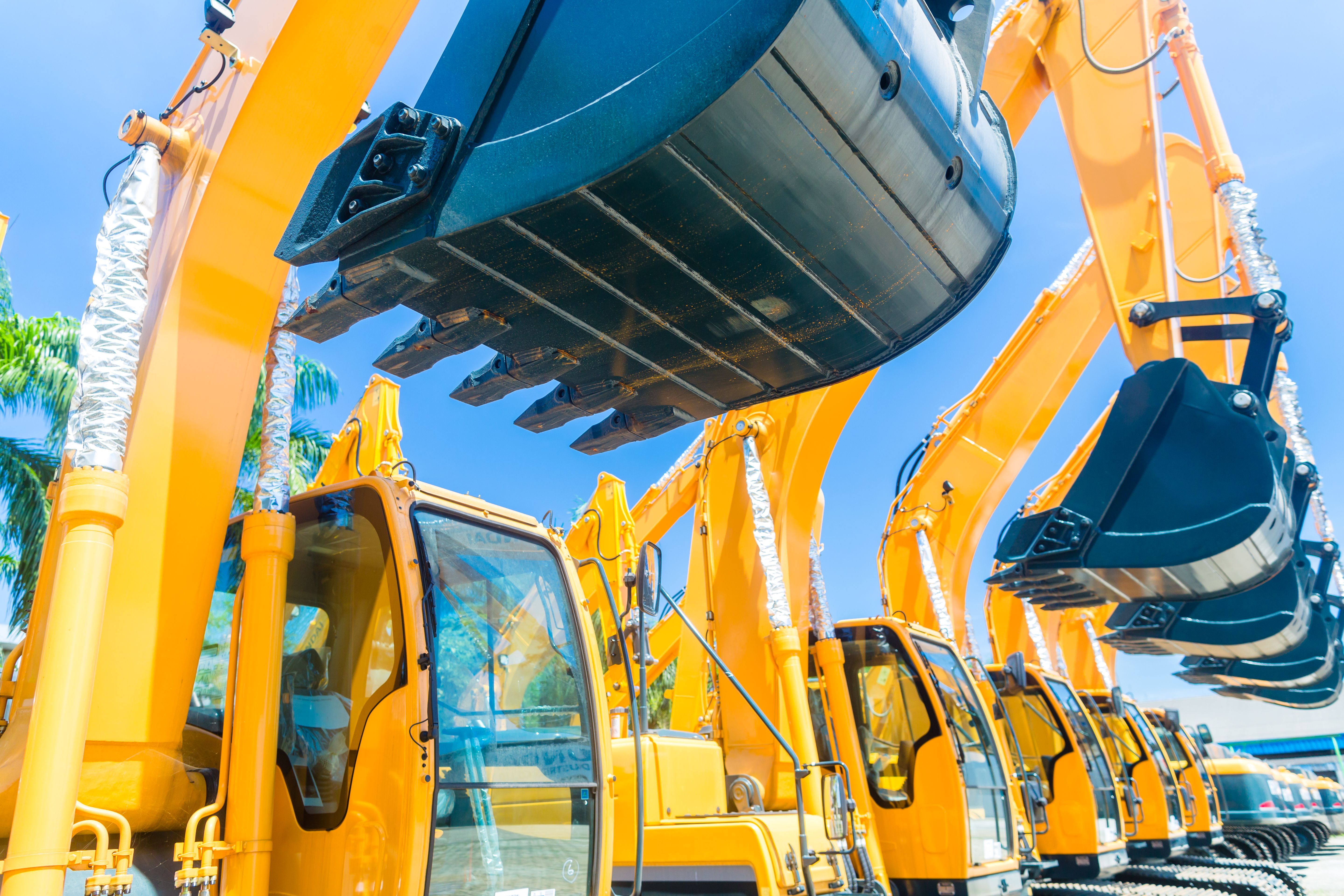
Leases can be structured in various ways, such as operating leases or capital leases, each with its financial implications. At the end of the lease term, businesses usually have the option to purchase the equipment, return it, or upgrade to newer models.
Key Considerations
When deciding between financing and leasing, consider the following:
- Cash Flow: Leasing often requires lower monthly payments, preserving cash flow for other business activities.
- Ownership: If owning the equipment is essential for your business, financing might be the better option.
- Technology: For technology that quickly becomes outdated, leasing can provide access to the latest innovations without the hassle of selling old equipment.
- Tax Implications: Both options offer different tax benefits that should be considered in consultation with a financial advisor.

Making the Right Choice
Your choice between equipment finance and leasing should align with your long-term business goals and financial strategy. Evaluate your current financial situation, projected growth, and the specific needs of your industry. Consulting with a financial advisor can provide additional insights tailored to your business.
Ultimately, whether you choose to finance or lease, ensure that the decision supports your operational efficiency and contributes to the overall growth of your business. By weighing the pros and cons of each option, you can make an informed decision that positions your business for success.