
Case Study: Successful Equipment Financing for a Melbourne Construction Company
Introduction
In the bustling city of Melbourne, a local construction company faced a common challenge: how to finance the purchase of essential equipment without disrupting cash flow. This case study explores how strategic equipment financing enabled the company to thrive in a competitive market.
Construction companies often require substantial capital to acquire machinery and technology. For this Melbourne-based business, finding the right financing solution was crucial to ensure continued growth and success.
Understanding the Challenge
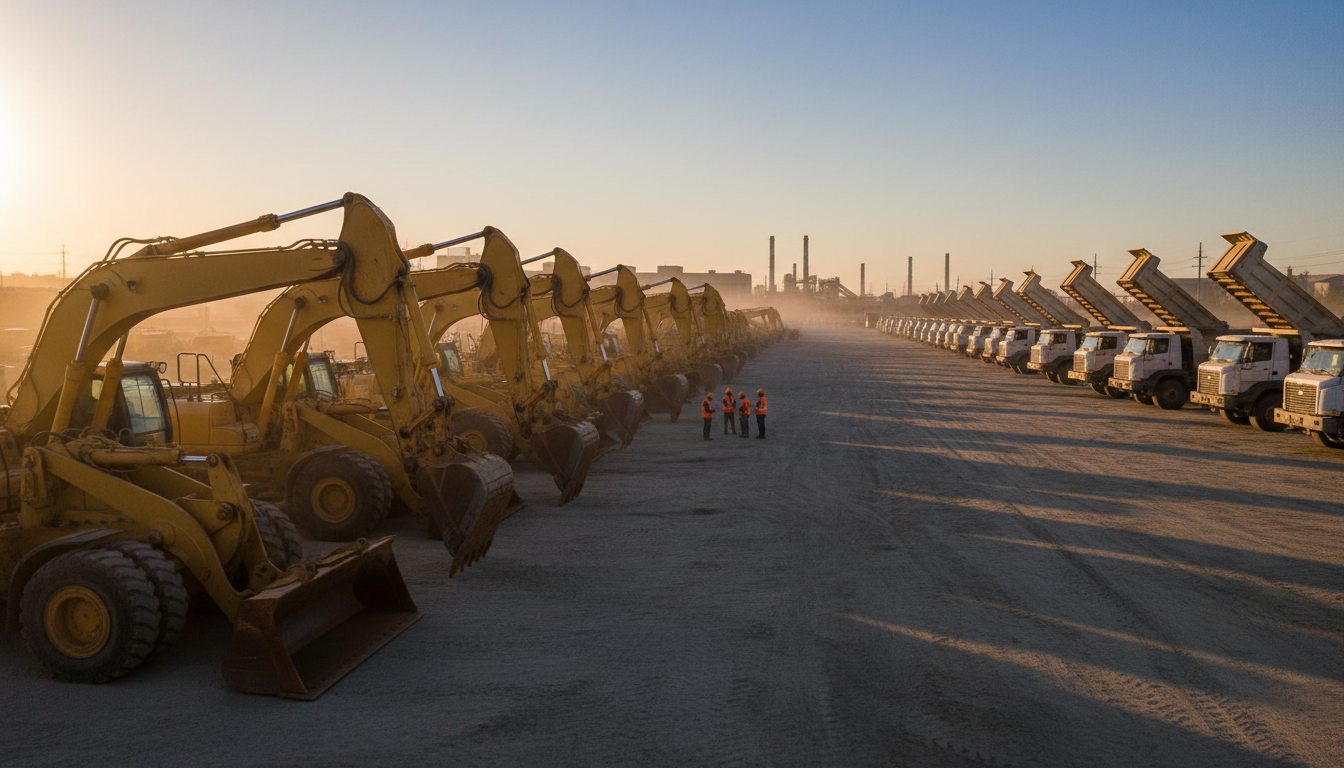
The construction company needed to upgrade its fleet of excavators and loaders to meet increasing project demands. However, the upfront costs were prohibitive, potentially impacting their operational budget and limiting their ability to take on new projects.
The company explored various financing options but needed a solution that provided flexibility and preserved liquidity. Their goal was to avoid depleting cash reserves while acquiring the necessary equipment to maintain competitive advantage.
The Financing Solution
After careful consideration, the company opted for a tailored equipment financing solution. This approach allowed them to spread the cost of the equipment over time, matching payments with their revenue streams. Here’s how the financing plan was structured:
- Flexible Terms: The company secured a financing plan with customizable terms, aligning payments with their cash flow.
- Competitive Interest Rates: By negotiating favorable rates, they minimized overall costs.
- No Large Down Payments: Avoiding a hefty initial outlay preserved working capital for other operational needs.
Implementation and Benefits
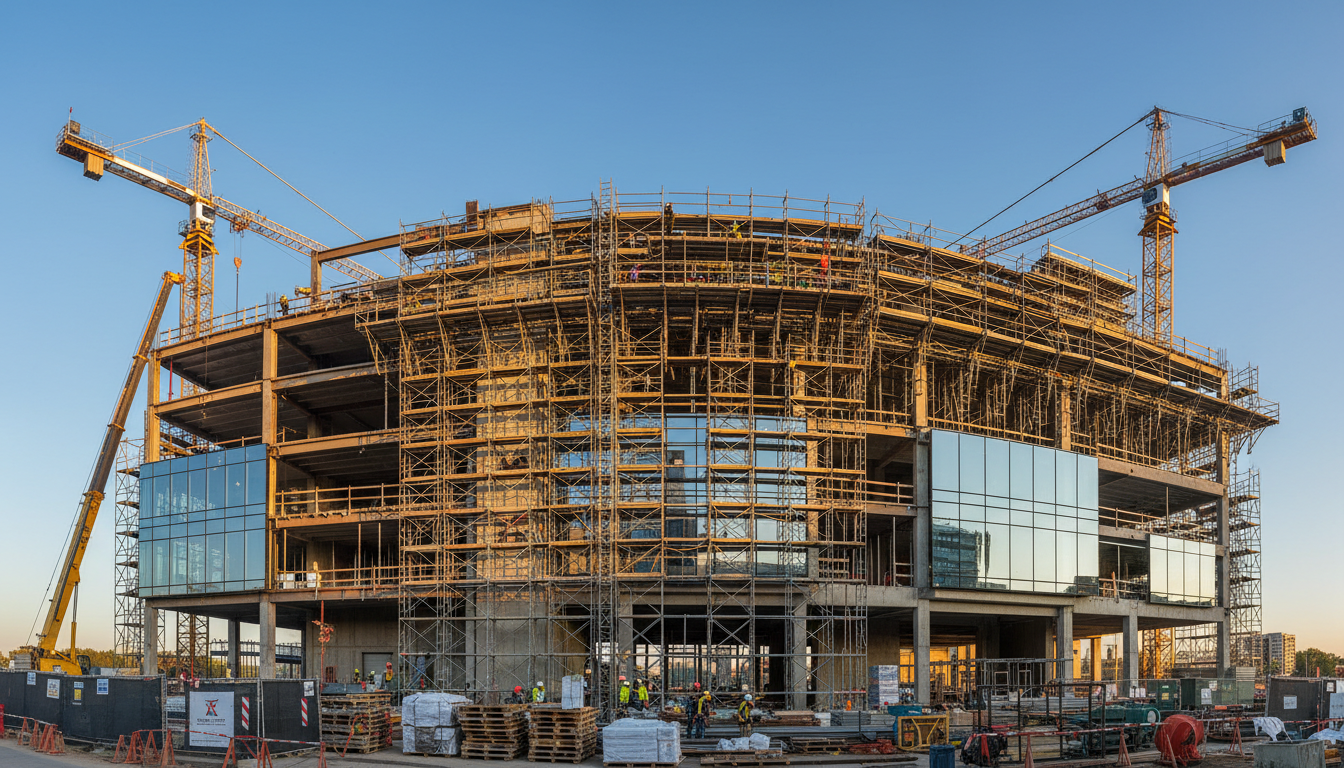
With the financing in place, the company swiftly acquired the new equipment. This allowed them to enhance productivity and take on larger projects. The benefits of this strategic decision were soon evident:
- Increased Efficiency: Modern equipment reduced downtime and improved project timelines.
- Expanded Capabilities: The ability to handle more complex projects led to new business opportunities.
- Improved Cash Flow Management: Structured payments ensured financial stability.
Long-Term Impact
The decision to finance equipment had a profound impact on the company's growth trajectory. By aligning their financial strategy with business objectives, they not only met current demands but also positioned themselves for future success.
The increased capacity and efficiency allowed the company to build stronger client relationships and enhance their reputation in the Melbourne construction industry.

Conclusion
This case study highlights the importance of strategic equipment financing for construction companies facing capital challenges. By choosing the right financial partner and plan, businesses can achieve growth without compromising financial health.
For companies looking to expand and modernize, exploring tailored financing options is a smart move to ensure sustainable development in a competitive market.