
Case Study: How a Melbourne Construction Company Thrived with Equipment Leasing
Introduction to Equipment Leasing
In the competitive world of construction, companies are constantly seeking ways to optimize operations and maximize profits. For a Melbourne-based construction company, equipment leasing emerged as a strategic solution to achieve these goals. Instead of making substantial investments in purchasing equipment, this approach allowed them to access advanced machinery while maintaining financial flexibility.
Equipment leasing enables construction companies to use the latest technology without the burden of ownership. This strategy has proven effective for many, but how exactly did it benefit this particular Melbourne company? Let's delve into their journey.
The Initial Challenges
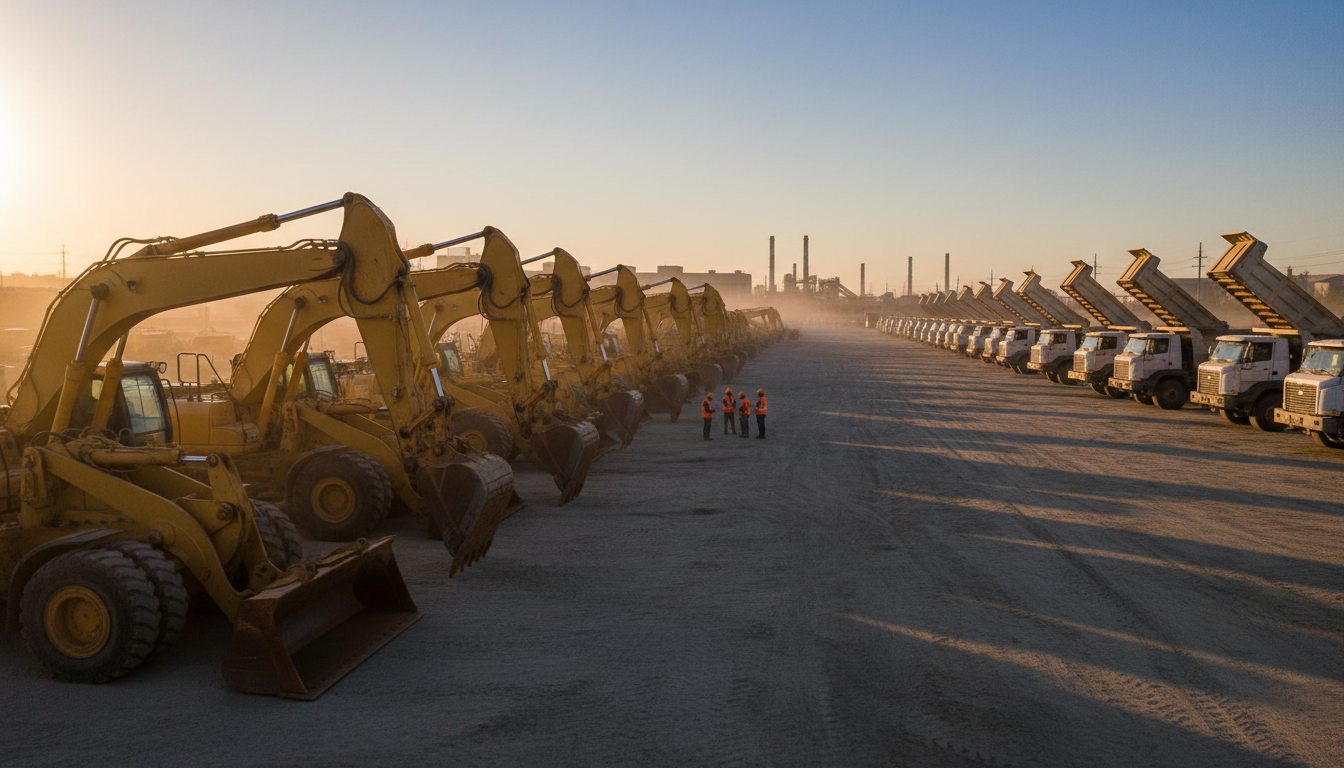
Like many construction firms, the Melbourne company faced several challenges. High equipment costs were a major concern, especially with the need to stay updated with the latest technology. Purchasing new machinery outright was not only expensive but also tied up capital that could be used elsewhere in the business.
Additionally, maintenance and depreciation of owned equipment added to the financial strain. These factors prompted the company to explore alternative solutions, leading them to consider equipment leasing as a viable option.
Embracing Equipment Leasing
After thorough research and evaluation, the company decided to shift to equipment leasing. This decision was driven by several key factors:
- Cost Efficiency: Leasing reduced the need for a large initial outlay, freeing up capital for other investments.
- Access to Latest Technology: The company could lease cutting-edge equipment, ensuring they remained competitive.
- Flexibility: Leasing agreements offered the flexibility to upgrade or change equipment as needed.
Financial Benefits Realized
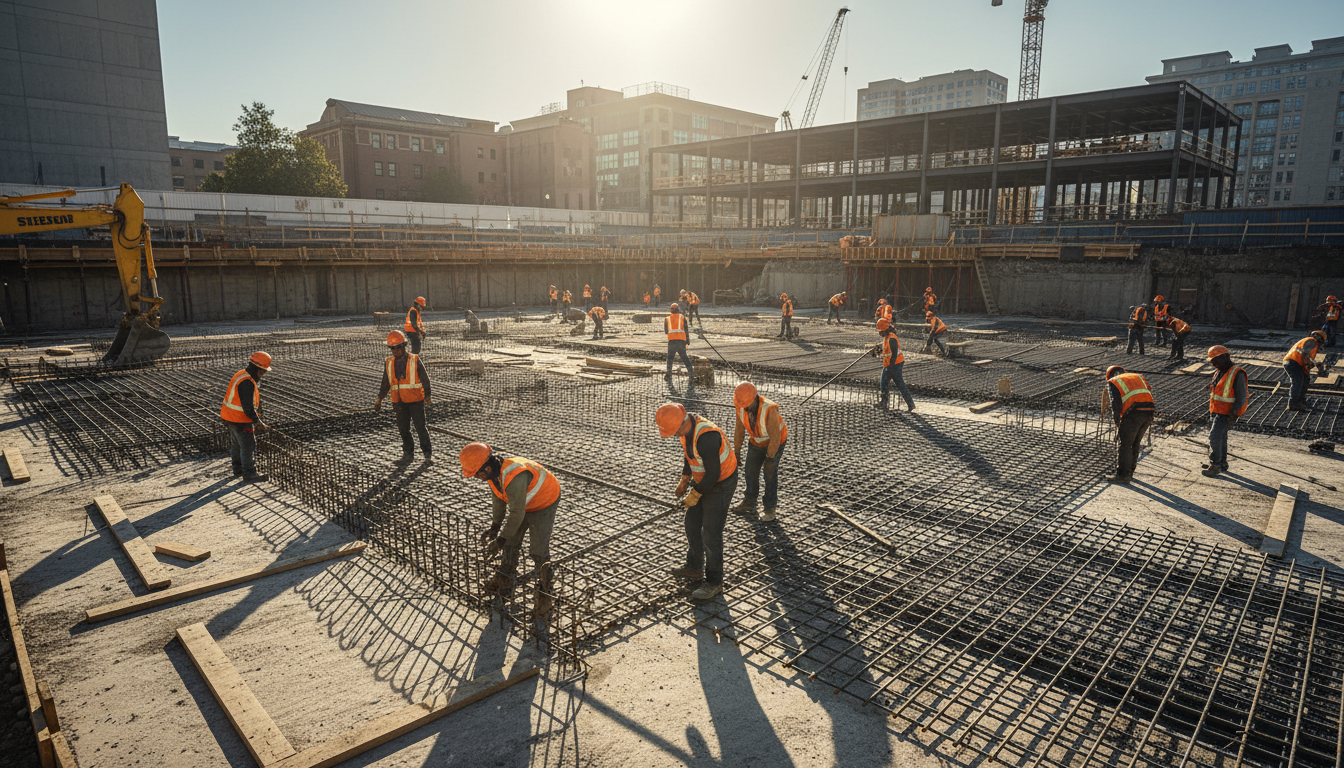
The financial benefits of equipment leasing were quickly realized. With reduced capital expenditure, the company improved cash flow, allowing them to invest in other critical areas such as workforce development and project expansion. The predictable leasing payments also helped with budgeting and financial planning.
Moreover, the avoidance of depreciation costs meant that their financial statements looked healthier, making them more attractive to potential investors and partners.
Operational Advantages
Beyond financial gains, the company experienced significant operational advantages. With access to the latest equipment, they enhanced productivity and efficiency on site. This not only led to faster project completion times but also improved the quality of their work.
The ability to lease specialized equipment for specific projects also meant they could take on a wider variety of jobs, further expanding their business opportunities.
Long-term Impacts
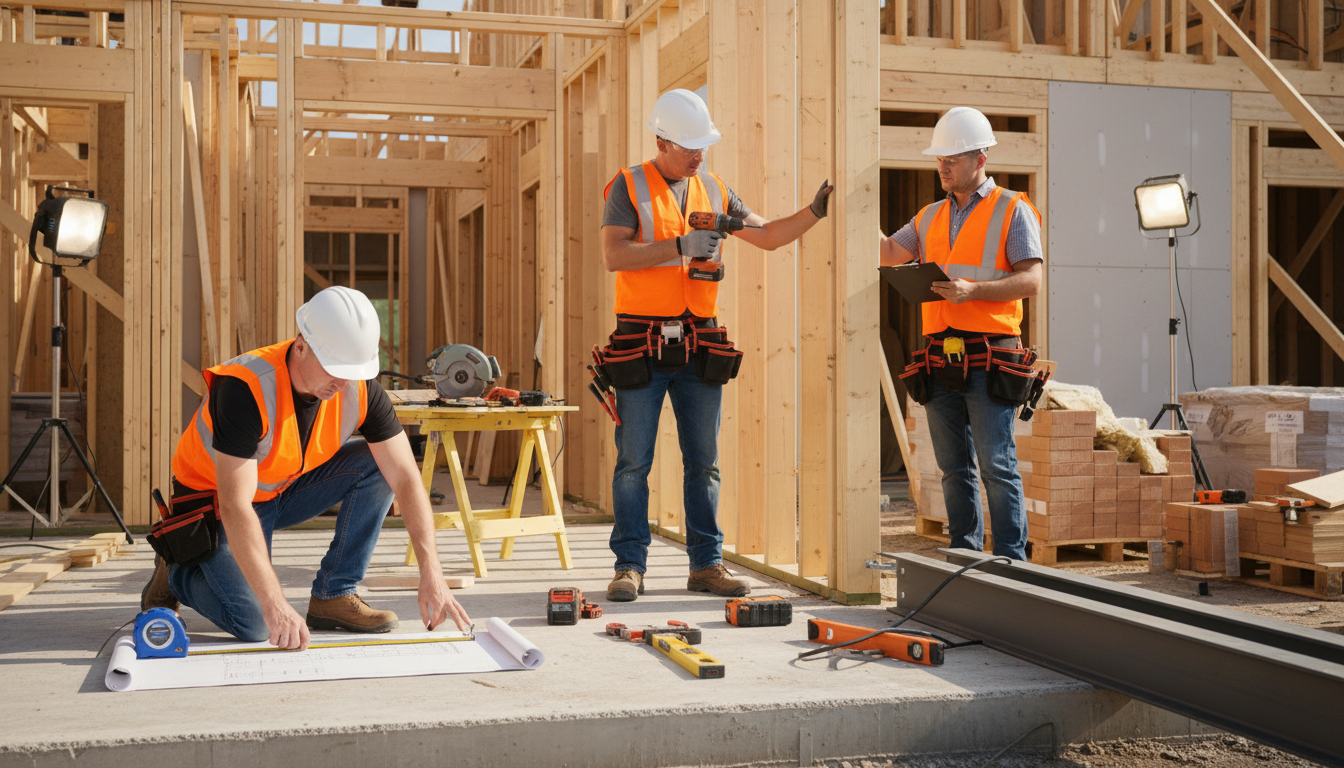
The long-term impacts of equipment leasing have been profound. The company has been able to maintain a competitive edge in the market, consistently delivering high-quality projects on time. This has resulted in an enhanced reputation and increased client trust.
Furthermore, the flexibility offered by leasing agreements has allowed the company to adapt to market changes with agility, ensuring sustained growth and success.
Conclusion
For this Melbourne construction company, equipment leasing proved to be a game-changer. By alleviating financial pressures and enhancing operational capabilities, they were able to thrive in a challenging industry. As the construction sector continues to evolve, equipment leasing remains a strategic option worth considering for companies aiming to enhance their competitiveness and success.